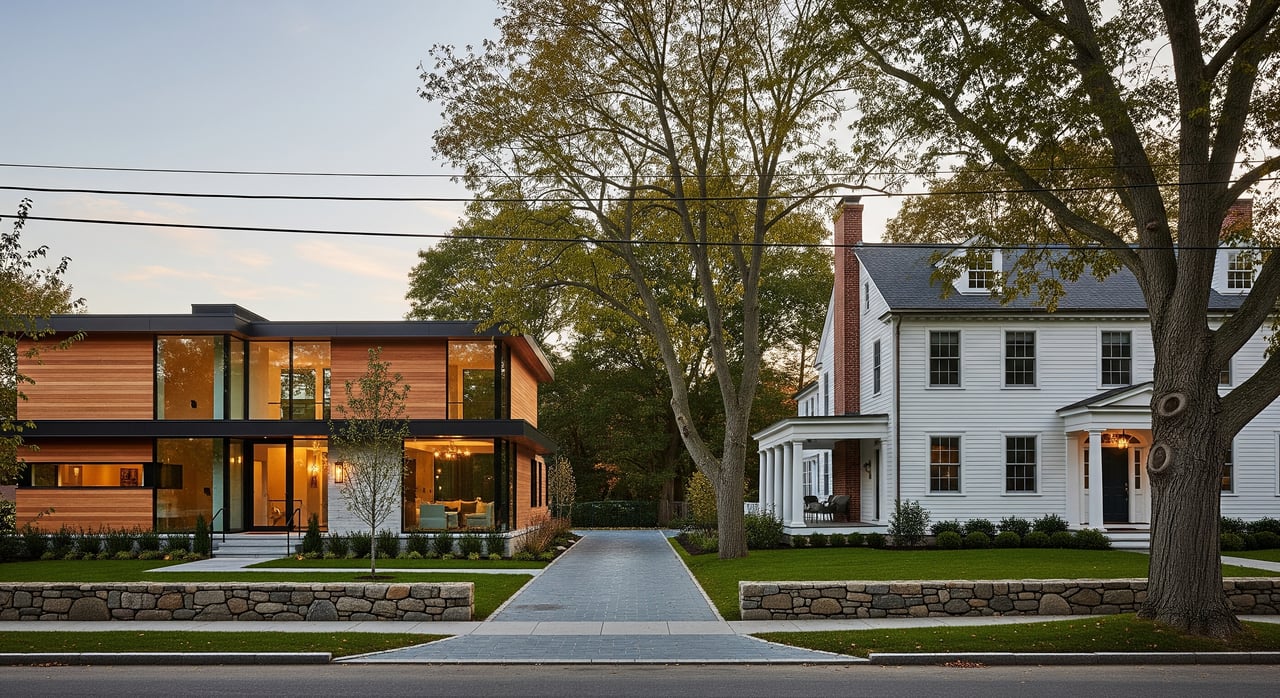
Orange CT New Construction vs Historic Homes: A Local Guide
January 1, 2026
January 1, 2026
Choosing between a brand‑new build and a charming historic home in Orange can feel like picking a lifestyle as much as a property. You want the right fit for your budget, timeline, and day‑to‑day comfort, and you do not want surprises after closing. This guide gives you a clear, local comparison of maintenance, energy use, customization, financing, resale, and timelines so you can move forward with confidence. Let’s dive in.
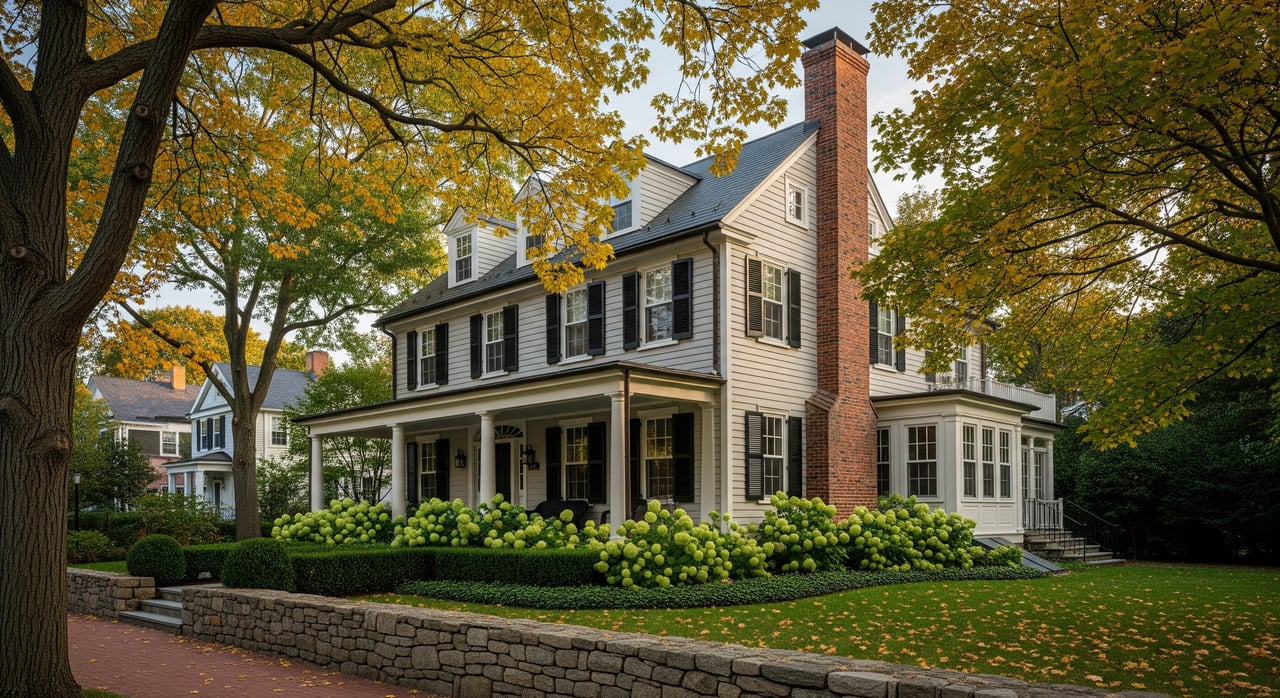
Many older homes feature original windows, plaster walls, period trim, and established landscaping that add charm. They can also carry older plumbing and electrical, aging roofs or foundations, and possible lead‑based paint depending on age. Review the seller’s permits, systems replacement dates, and inspection results. For health and safety, understand the EPA guidance on lead‑based paint.
Unplanned costs often involve structural issues, rot, insect damage, and specialty repair work that needs experienced trades. Expect a more active maintenance plan and higher per‑repair costs for certain items. A renovation contingency is smart, especially if you want to preserve original features.
New builds are typically delivered with modern mechanicals, better insulation, new roofing, and contemporary windows and finishes. Near‑term maintenance tends to be lower, and builders often provide tiered warranties by component. Ask for written coverage details, what is included, and who handles punch‑list items after closing.
Older homes may start with lower insulation levels and older boilers or furnaces. You can improve comfort and reduce operating costs through air sealing, attic and wall insulation, storm windows or retrofit sash, and high‑efficiency equipment, including heat pumps. The U.S. Department of Energy’s Energy Saver offers practical guidance on weatherization and building envelopes.
Incentives can help offset costs. Explore Energize CT’s Home Energy Solutions for audits and weatherization support, and review financing and incentive options through the Connecticut Green Bank. If the property is within a historic district, coordinate exterior changes with preservation guidance such as the Secretary of the Interior’s Standards. That helps you balance efficiency improvements with character.
New homes are built to current energy codes with higher insulation, efficient windows, and modern HVAC. Many include features like smart thermostats, EV‑ready wiring, and solar‑ready roofs. You will likely start with lower utility costs and have a simpler path to future upgrades.
If you value unique architectural details, original millwork, and mature lots, a historic home can be the right fit. Floor plans may be more compartmentalized, which some owners enjoy for privacy and quiet. Larger structural changes, such as opening load‑bearing walls or adding expansive glass, typically require more engineering and budget, and exterior changes may be subject to review in designated districts.
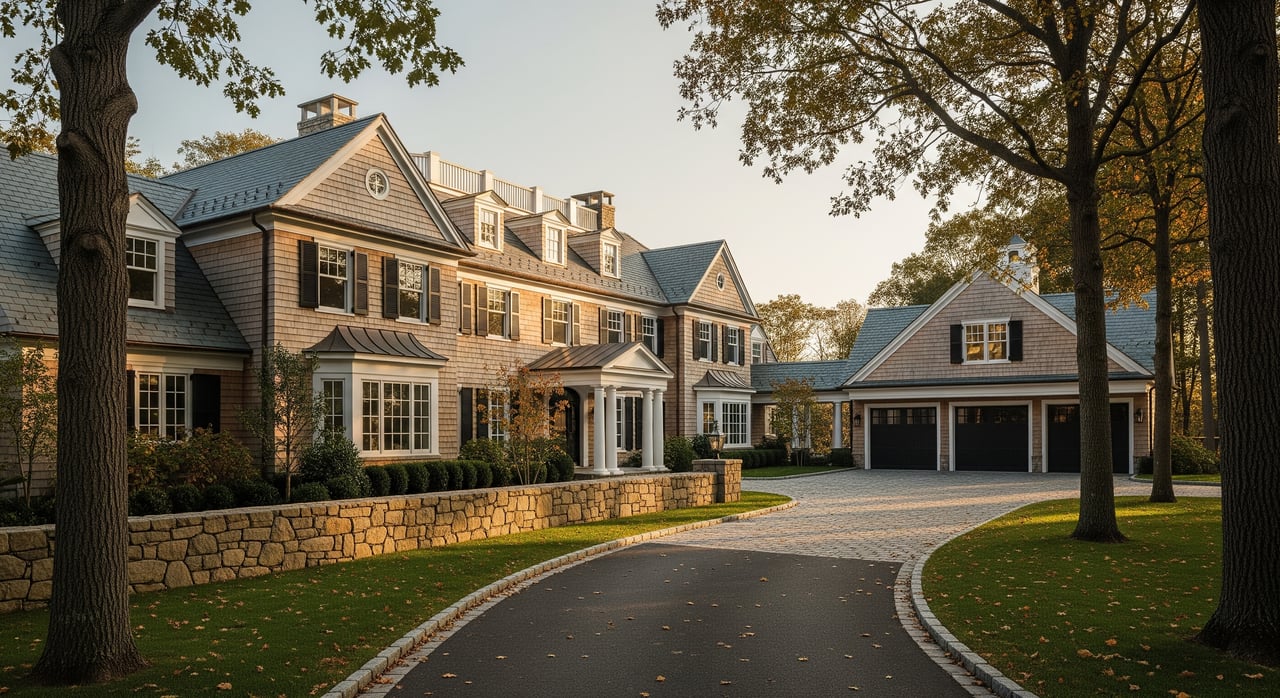
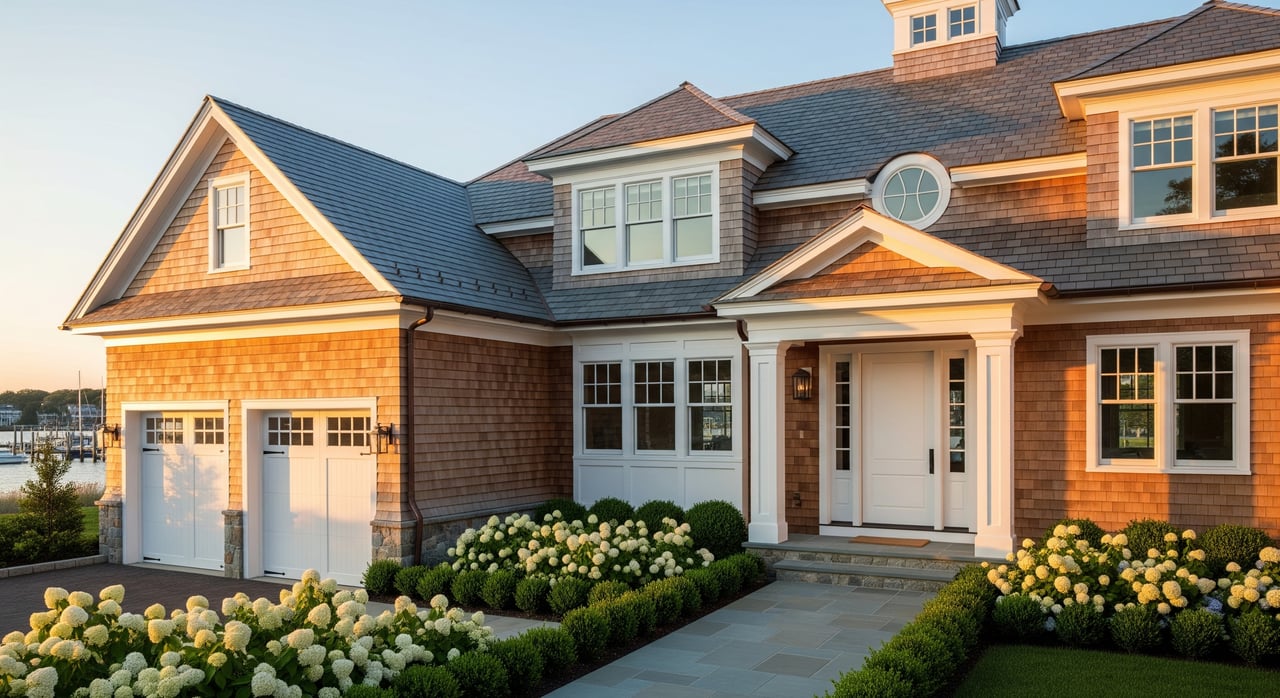
If modern openness, bigger closets, and a chef’s kitchen are priorities, new construction gives you the easiest path. You can often select finishes, fixtures, and technology if you purchase early in the build. In subdivisions, design guidelines or HOAs may shape exterior choices, and some plans are standardized, which can reduce uniqueness.
Before you finalize plans for a renovation or a build, confirm permit needs and any design review. Some Connecticut towns have local historic districts that limit exterior alterations and demolition. Verify any designation and process with Orange’s planning and building departments and the Connecticut State Historic Preservation Office. If the home is income‑producing, certain federal historic rehabilitation tax credits may apply. Owner‑occupied single‑family homes typically do not qualify. The Secretary of the Interior’s Standards are a helpful reference for preservation best practices.
Permit timelines are affected by scope, review requirements, and seasonality. Plan for extra time if wetlands, conservation, or historic reviews are required.
Most buyers use a conventional, FHA, or VA mortgage for the purchase. If you plan significant work after closing, consider a renovation product. The FHA 203(k) program wraps purchase and rehab into one loan for owner‑occupants. Fannie Mae’s HomeStyle Renovation is another option that can finance improvements alongside the mortgage. Lenders will require full inspections and a clear scope of work for renovations.
You may encounter three main approaches: a construction‑to‑permanent loan if you are building, builder financing during construction, or a standard mortgage for a completed spec home. Construction loans include draw schedules tied to milestones and can require a larger down payment during the build. Ask about builder escrow holdbacks for incomplete items to keep closing on schedule.
Factors that extend timelines include permitting, contractor availability, weather, material lead times, and any required historic or conservation reviews.
Turnkey, low‑maintenance homes with modern amenities tend to reach a broader buyer pool. Well‑maintained historic properties with thoughtful upgrades can command a premium from buyers who value character. In Orange, resale performance depends on neighborhood comparable sales, the quality of improvements, and how well the property matches buyer expectations at its price point. Review current MLS data and align your plan with local comps before you invest in major work.
Use this quick framework to align your choice with your priorities:
Financial checks to run:
Choosing between Orange’s historic charm and new‑build convenience comes down to what you value most in daily living, how you want to spend on maintenance and energy, and how quickly you need to move. If you want a clear path through comps, permitting, and the right financing, connect with a local specialist who handles both historic and new construction deals. For tailored guidance and a calm, data‑driven plan, reach out to Frank D'Ostilio Houlihan Lawrence.
Stay up to date on the latest real estate trends.
Experience the pinnacle of real estate expertise with the Frank D'Ostilio Team. From commercial ventures to residential dreams, trust in their proven track record of over 1,200 properties sold.