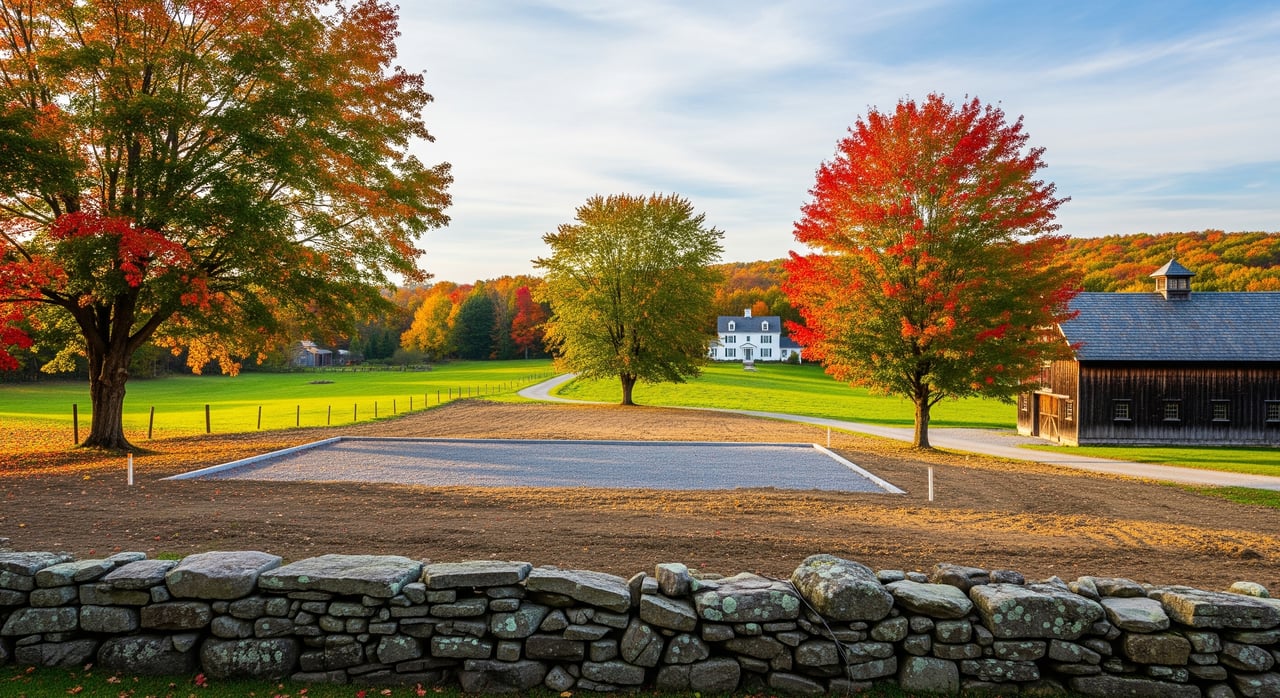
Bethany CT Land Evaluation for Small-Scale Developers
December 18, 2025
December 18, 2025
Looking at a wooded Bethany lot and wondering if you can build without surprises? You are not alone. In 06524, many parcels are rural, with wells, septic, ledge, and wetlands that can change your plan and costs. This guide shows you how to evaluate land in Bethany like a pro, with clear steps, timelines, and a field checklist you can use on day one. Let’s dive in.
Bethany sits in New Haven County with a rural to semi-rural profile. Many parcels rely on private wells and on-site septic rather than municipal water or sewer. That makes soils, ledge depth, and drainage key cost drivers.
Local approvals usually run through the Bethany Planning & Zoning Commission and the Inland Wetlands & Watercourses Agency, with septic and well oversight by the local Health Department or town sanitarian. Expect review of wetlands, slopes, and access, and plan for site-specific testing.
Common constraints in southern New England include shallow bedrock, seasonally high water tables, wetlands and vernal pools, steep slopes, and nearby conservation land. These conditions can reduce buildable area, lengthen approvals, and increase site-prep costs.
Confirm current ownership and pull the deed. Look for easements, rights-of-way, and any conservation or agricultural restrictions that could limit building. Check for municipal liens, unpaid taxes, or violations. Title exceptions can change your site plan, driveway, or utility route.
Get the town zoning map and regulations. Verify your zoning district, minimum lot size, frontage, setbacks, building coverage, and any overlay districts. Confirm if your plan is by right, needs a special permit, or would require a variance. Each path has different predictability and timing.
Confirm legal road frontage and whether the road is town, private, or state. For private roads, review maintenance obligations, standards, and whether upgrades will be required for emergency access. Frontage rules are a common gating item for lot splits and new homes.
Check required sight distance and driveway geometry. If the access is on a state road, plan for a curb-cut or driveway permit. Tight sight lines, steep grades, and drainage crossings can push costs and design.
Identify the electric provider and request a preliminary service letter and cost estimate. In Connecticut, parcels are typically served by Eversource or United Illuminating. If the nearest distribution line or transformer is far, line extensions can add time and expense. Natural gas is limited on many Bethany roads, so plan for electric or propane heat if gas is not available.
Assume private wells and on-site septic for many Bethany sites. Confirm if any municipal sewer is nearby, but do not assume availability. Schedule perc tests and soils review early to size a septic system and confirm feasibility.
Check availability of fiber or cable. If service is limited, explore fixed wireless. Connectivity can affect marketability and end pricing, especially for work-from-home buyers.
Pull topographic contours and walk the site. Slopes over 15 to 20 percent can limit building locations or push you into engineered walls and grading. Use the NRCS Web Soil Survey for a first look, then confirm with on-site soil tests and perc tests. Well-drained, permeable soils help septic design and cost.
Shallow ledge is common in Connecticut. It can raise foundation and septic costs and may require blasting or rock removal. Flag rock outcrops, stone outwash, or shallow soils as early risk signals.
Map natural drainage and low areas. Expect to meet local stormwater standards and include best management practices. Detention, culverts, or infiltration systems may be needed, especially on longer driveways.
Bethany regulates activities near inland wetlands and watercourses under state-guided municipal rules. Desktop mapping is a starting point, but a field delineation by a wetland scientist is often needed to define exact limits. Buffers can reduce usable acreage, and permits are required for impacts.
Use FEMA mapping to confirm if any portion of the site is in a flood zone. Floodplain constraints can affect buildable areas and insurance requirements.
Review the state Natural Diversity Database for potential endangered species or sensitive habitats. Also check for historic or archaeological resources with local commissions. If flagged, you may need added studies or design adjustments.
Most small residential projects in Bethany will involve some mix of: zoning/building permits, site plan or subdivision approval, inland wetlands permits, driveway or curb-cut permits, septic permits from the Health Department, and stormwater and erosion controls. State or federal reviews may apply if you impact regulated waters.
Plan 30 to 60 days for feasibility due diligence before purchase. Entitlements can range from 2 to 4 months for a straightforward single-lot build with no wetlands issues. Projects with wetlands permits, variances, or subdivision commonly take 3 to 12 months or more. Expect additional time if public hearings, abutter notices, appeals, or state-level reviews are required.
High-level cost cues to budget:
Use this list on site and attach estimated costs and timelines to each item:
Analyze price per finished lot and expected sale price for the planned home type. Pull comps from the local MLS and town assessor records, and consider neighboring towns when Bethany data is thin. Adjust for differences in commute times, utilities, lot character, and finished home size and style.
Look at absorption for similar homes and the premium buyers pay for ready-to-build lots with utilities and compliant road access. Align your site plan with what the market expects in Bethany and nearby towns.
A careful plan up front can save months and tens of thousands later. If you want a seasoned, local partner to help package a Bethany site, coordinate early testing, and position your project for approvals and resale, connect with Frank D'Ostilio Houlihan Lawrence to get started.
Stay up to date on the latest real estate trends.

Experience the pinnacle of real estate expertise with the Frank D'Ostilio Team. From commercial ventures to residential dreams, trust in their proven track record of over 1,200 properties sold.